Fiberglass Vs Cold Room Panel

Which Body Material? Cold Room Panel Vs Fiberglass

What makes a good Truck body material? Which one do we choose?

OVERVIEW

In this article, we'll detail the pros and cons of Cold Room Panel Truck bodies Vs Fiberglass build, to help your decisions.

Fiberglass Reinforced Polymer

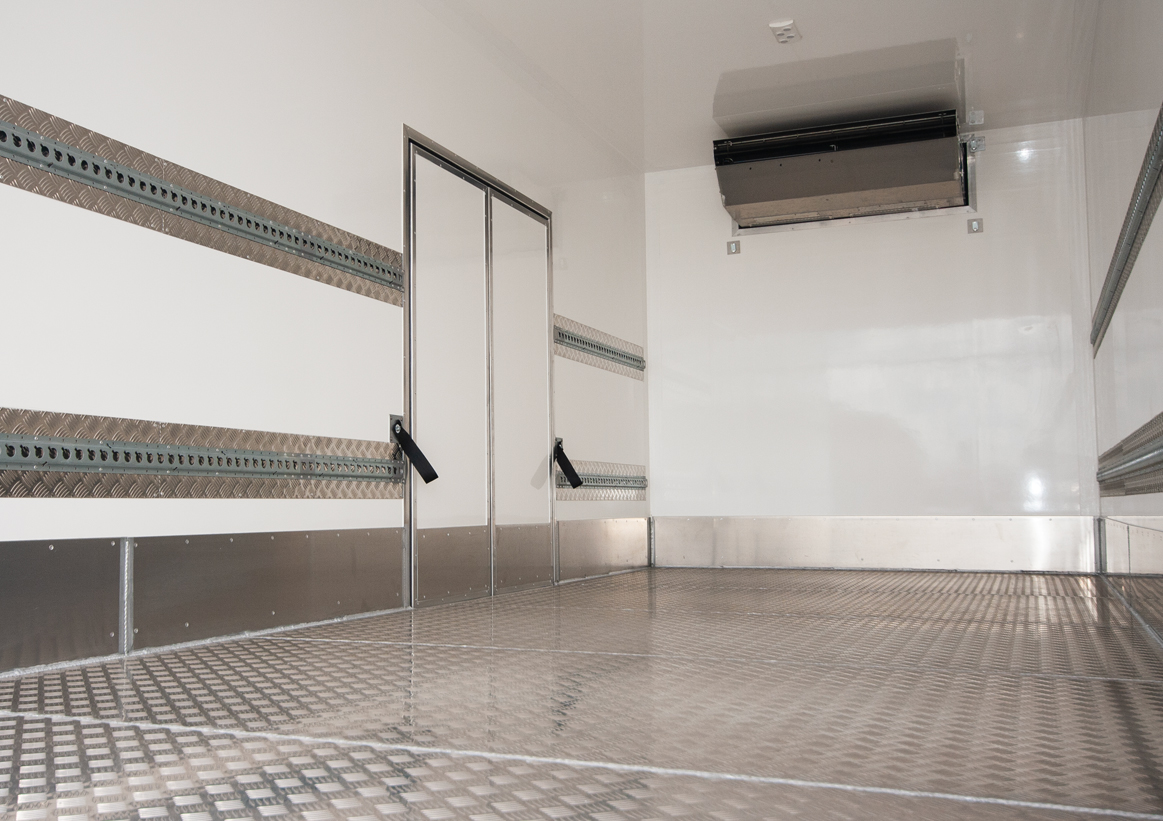
1. Thermal efficiency: FRP panels excel in thermal performance, largely influenced by high-quality foam, making them ideal for temperature control and energy efficiency. 2. Durability and impact resistance: FRP's resilience to minor scrapes and impacts leads to reduced repairs and a longer lifespan for the truck body. 3. Internal space: Thinner FRP panels provide increased space, accommodating wider cargo Disadvantages 1. Higher initial investment: The upfront cost stand 143 of FRP is greater than that of CRP, which can be a factor for cost-conscious clients. 2. Repair costs: Repairs are often more expensive and time-consuming, leading to higher costs and extended downtime. 3. Mass considerations: While lightweight, FRP panels may still be heavier than CRP panels, potentially impacting payload efficiency.
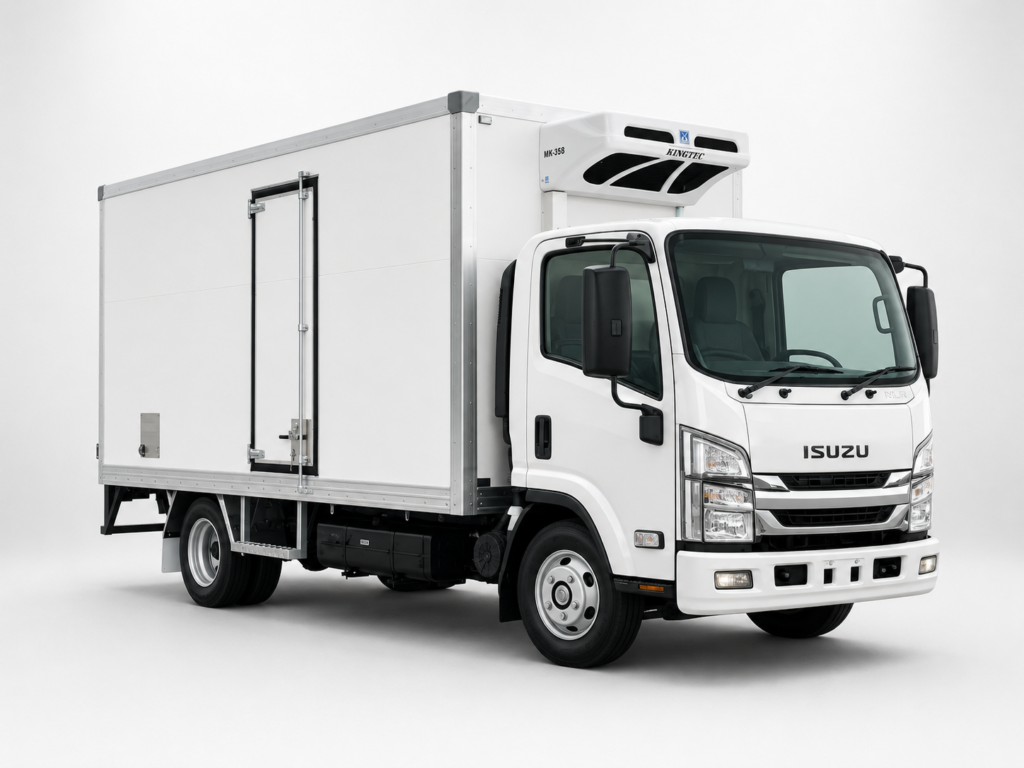
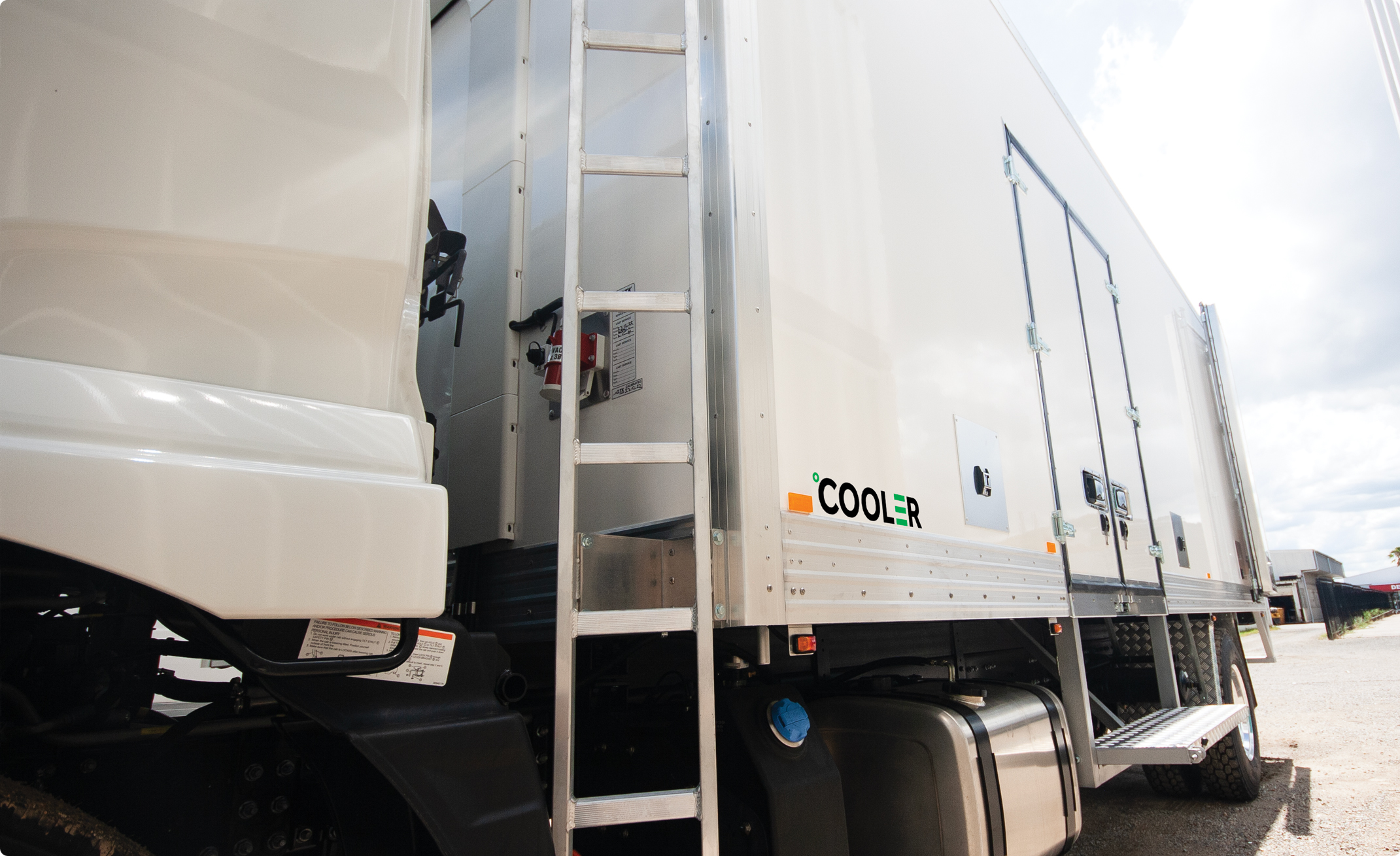
Cooler 2 Pallet Refrigerated body with ESB on Isuzu Truck

Conclusion

Choosing between FRP and CRP depends on specific operational need, budget constraints and performance requirements. Generally, we recommend FRP for vehicles over six-pallet size. However, CRP panels offer effective thermal performance at a lower cost and can be manufactured quickly. Evaluating these factors will help businesses select the most suitable material for their refrigerated transport needs. Contact the team at www.cooler.au or 07 3848 6979 for guidance on your build; we have vast design and manufacturing experience to support anyone with a fit-for-purpose asset.
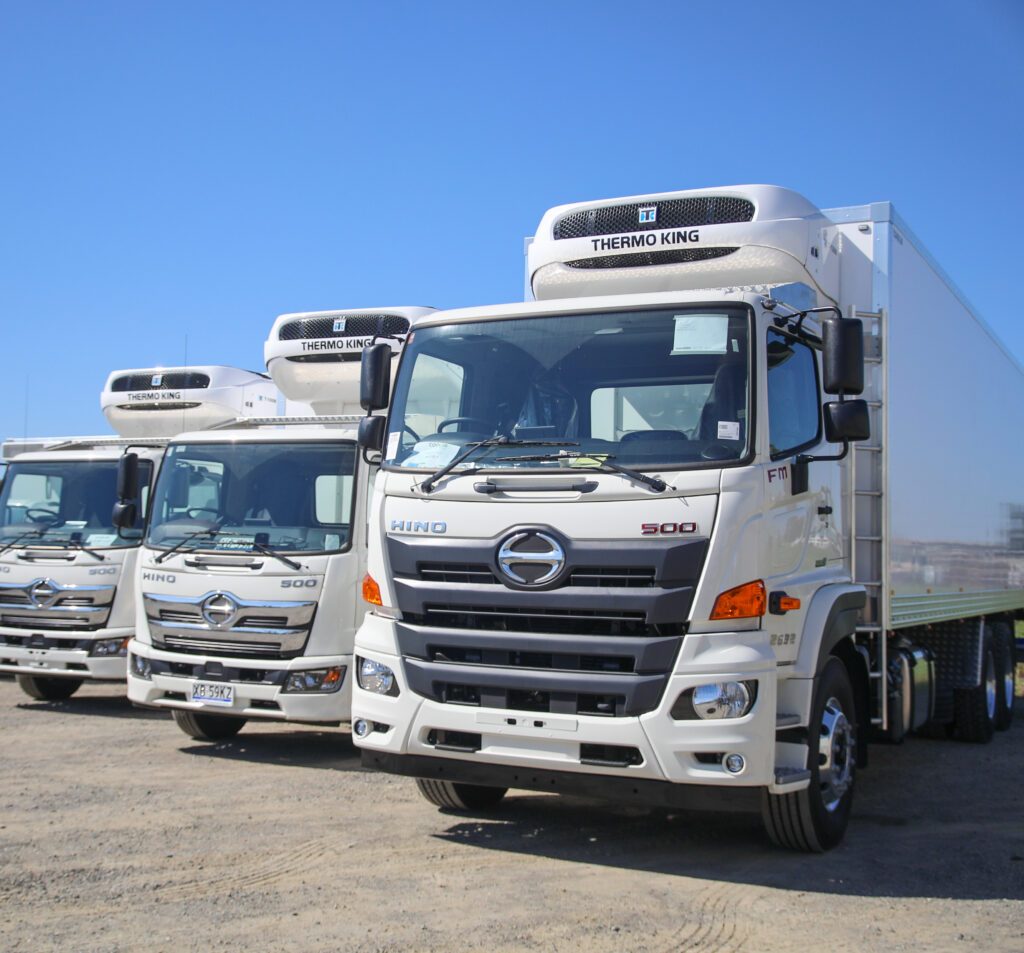
Fiberglass truck builds

Cold Room Panel

Advantages 1. Cost-effective: CRP's affordability makes it appealing for businesses with limited budgets. 2. Ease/cost of repairs: CRP panels are quicker and cheaper to repair, minimising operational disruptions and reducing ownership costs 3. Lightweight: Lighter CRP panels enhance vehicle performance and fuel efficiency. 4. Speed to market: CRP panels are more readily available, allowing for quicker deployment. Disadvantages 1. Thermal insulation: CRP panels offereffective, but inferior thermal insulation compared to FRP. 2. Durability: CRP panels can be slightly more susceptible to minor damage, though this can be mitigated with protective surfaces. 3. Space efficiency: The thicker nature of CRP panels decrease internal space.